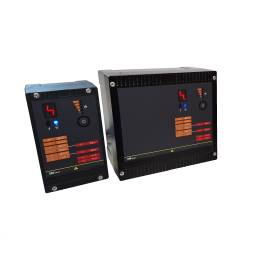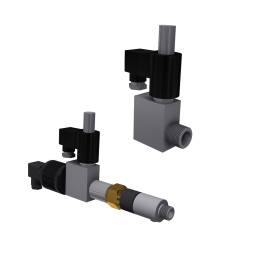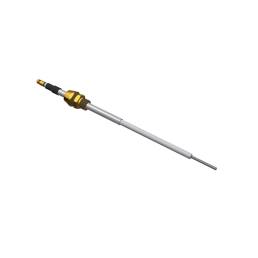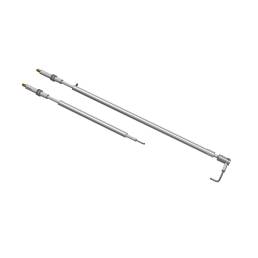


UV-2 - High sensitivity UV probe
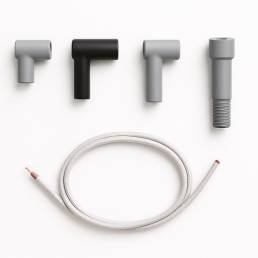
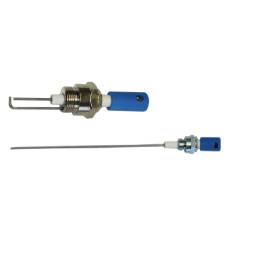
The UV2 Flame Detector is for industrial use installed in a robust, die-cast aluminium box. Equipped with plug in and threaded connection for the peepsight. It contains a gas filled UV tube. UV-rays (not daylight or artificial light from discharge or filament lamps) ionise the gas in the tube. The UV2 may be used either with all the electronic systems ESA produces. Self checking ESA Shutter facility available.
Description
The UV‑2 high‑sensitivity UV probe by ESA‑Pyronics is an industrial flame detector designed to sense ultraviolet radiation generated by combustion. It is housed in a robust die‑cast aluminum enclosure equipped with a plug‑in electrical connector and a 3/4” gas‑threaded peepsight connection. Inside the unit, a gas‑filled UV tube ionizes when exposed to ultraviolet radiation in the 185–260 nm range, producing an electrical discharge used for flame detection.
The UV‑2 high sensitivity UV probe features a UV‑triggered starting voltage of 280 V, with a recommended operating voltage of 325 ± 25 V and a maximum limit of 400 V. The recommended discharge current is 100 µA, while the average discharge current is around 1 mA and peak currents may reach 30 mA if shorter than 10 µs. The unit operates reliably between –20 °C and +60 °C. Background radiation levels remain below 10 cpm, and the device achieves a sensitivity of approximately 5,000 cpm at UV levels higher than 1 pW.
The detector can be used with ESA control systems (ALBEN, ESTRO, GENIO) or with third‑party equipment, provided the UV tube remains within its electrical and thermal limits. Since the sensor responds only to UV radiation emitted by flames—not to daylight or typical artificial lighting—it provides dependable flame presence detection. Technical diagrams included in the document show spectral response, sensitivity curves, light‑source comparisons, and how sensitivity varies with applied voltage.
The manual emphasizes several safety considerations: the tube housing must be covered to avoid stray UV reflections between detectors; mechanical shocks must be avoided because the quartz bulb is fragile; dust, humidity, or dirt in the optical field can compromise performance; and unipolar wiring must be used. The detector housing must also be grounded for safety and signal stability. Installation, adjustment, and maintenance operations must be carried out exclusively by trained personnel, due to inherent combustion‑system risks.
Additional information
| Series | |
|---|---|
| Sectors | Aluminum, Food, Glass&Ceramic, Heat treatments, Other metals, Process, RTO&Incineration, Steel |